Brewarrina and (back o') Bourke
Jul 12, 2023
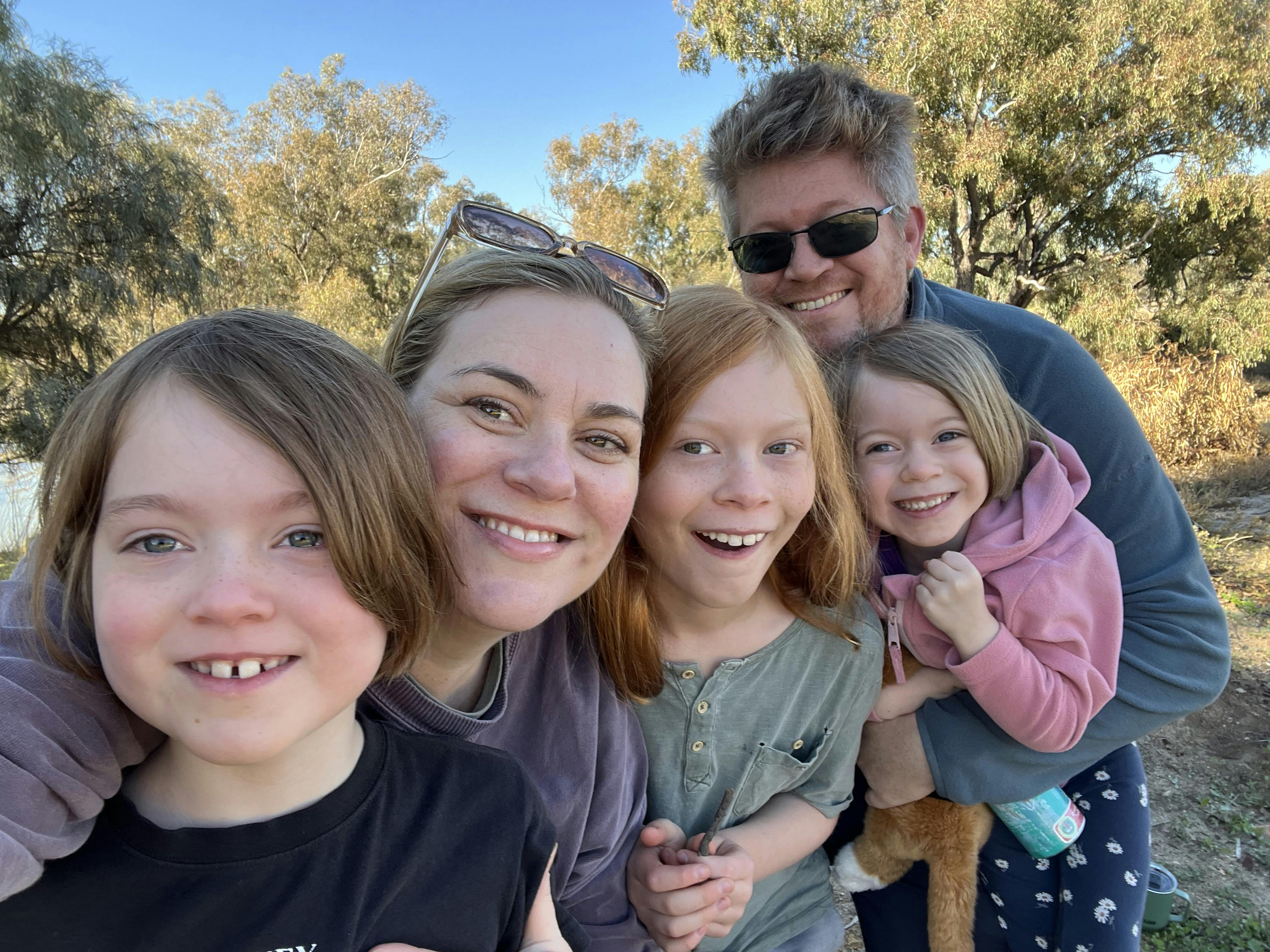
Yesterday morning we survived our first real experience of repacking all the stuff back into the car / trailer / roof box / roof bag (yep, we're pretty loaded up!). We'd managed to really spread out over the 3 nights in our lovely cabin in Dubbo, so it did take longer that we had hoped, but we were very pleased that we got it all in eventually! We were also pretty chuffed to have resolved an issue with the roof box that had led to a truly piercing whistle the whole time we drove to Dubbo. All hail Hammer Barn!!
On the way out of town we did stop in at Orana Mall where I had previously seen a Donut King in the wild. I had previously resisted DK's siren call, but after hearing some news that saw me reaching new lows of disillusionment with the NSW Government, I knew I needed the comfort that only a fresh cinnamon donut (and a frozen coke!) can bring.
We then had our first big drive on single lane highways out to Brewarrina. I took a 200 km driving shift, which was my first experience of driving on an unbelievably flat and straight bitumen road, red dirt up to edges of the tar and scrub or wide open paddocks on either side with the sheep and cattle and the occasional kangaroo and emu, no other car in sight for miles at a time. It was pretty wild!
We got into Brewarrina at around 5, and settled into our very lovely cabin on the edge of the Barwon river. After a lovely dinner of burritos from home and a movie in bed, we settled in for our first night all sleeping in the one room, including the first trial of the camping mattresses and sleeping bags by the girls. Thankfully we all slept well!
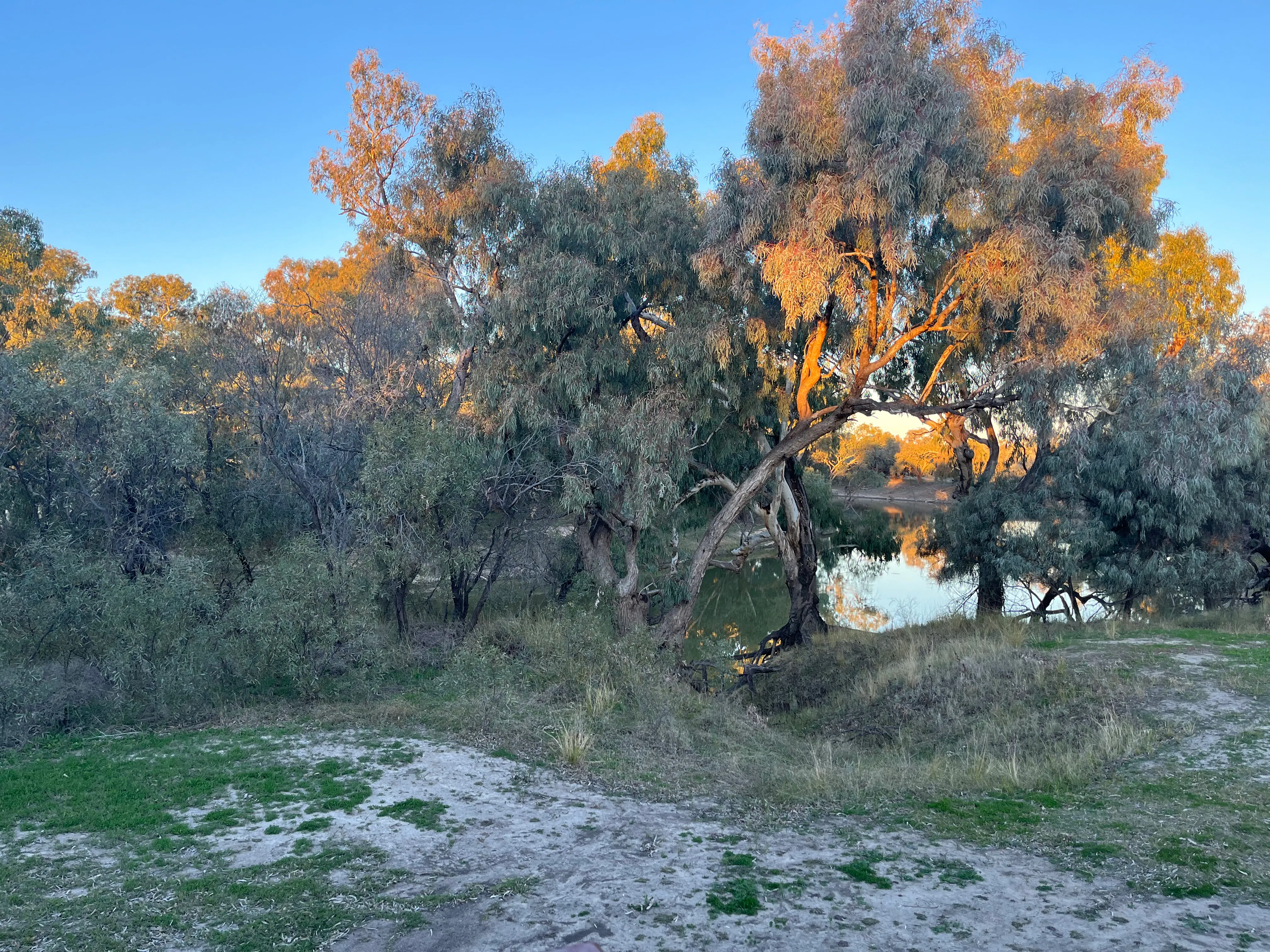
The beautiful Barwon River as the sun sets
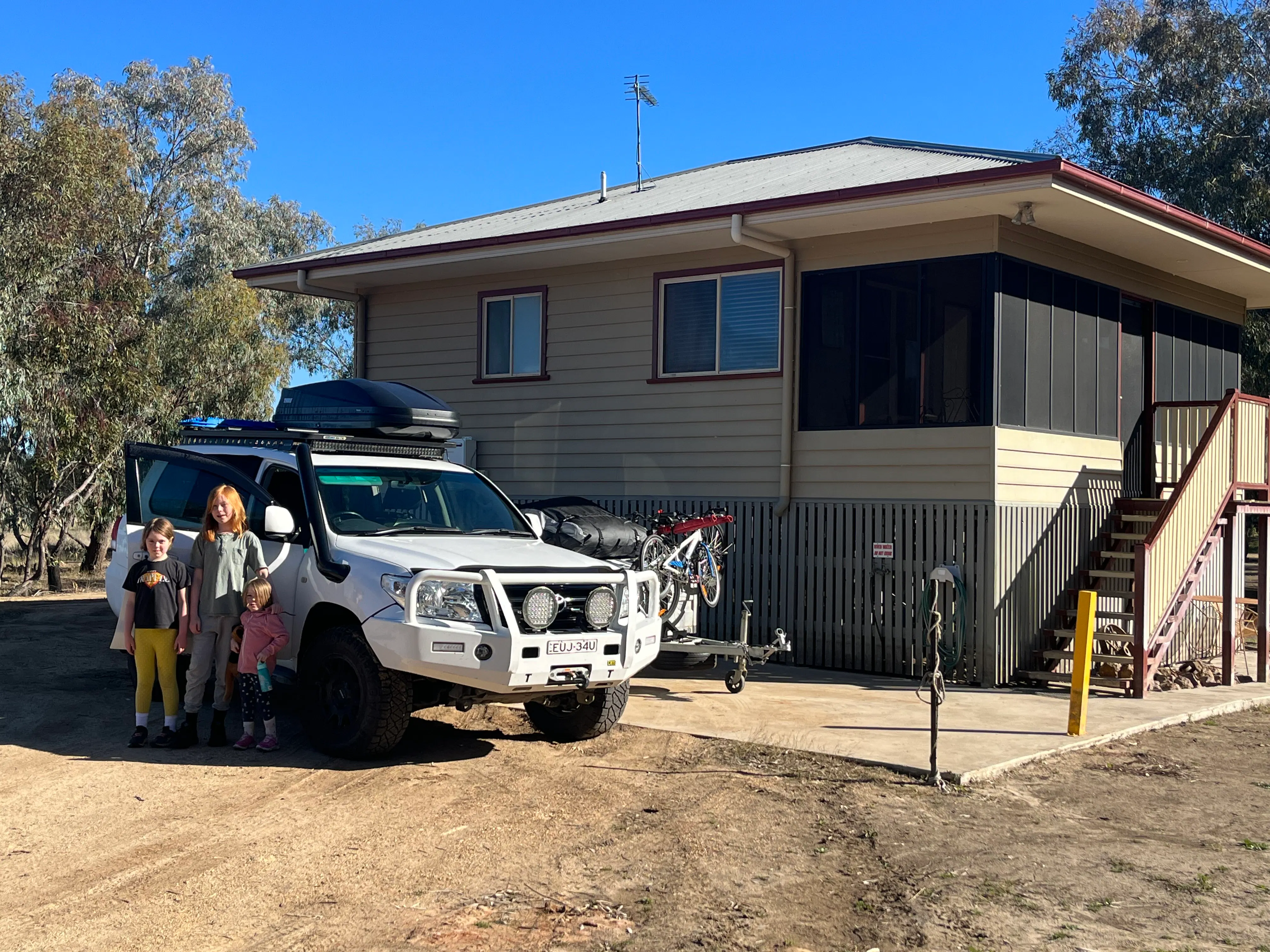
Beds on Barwon
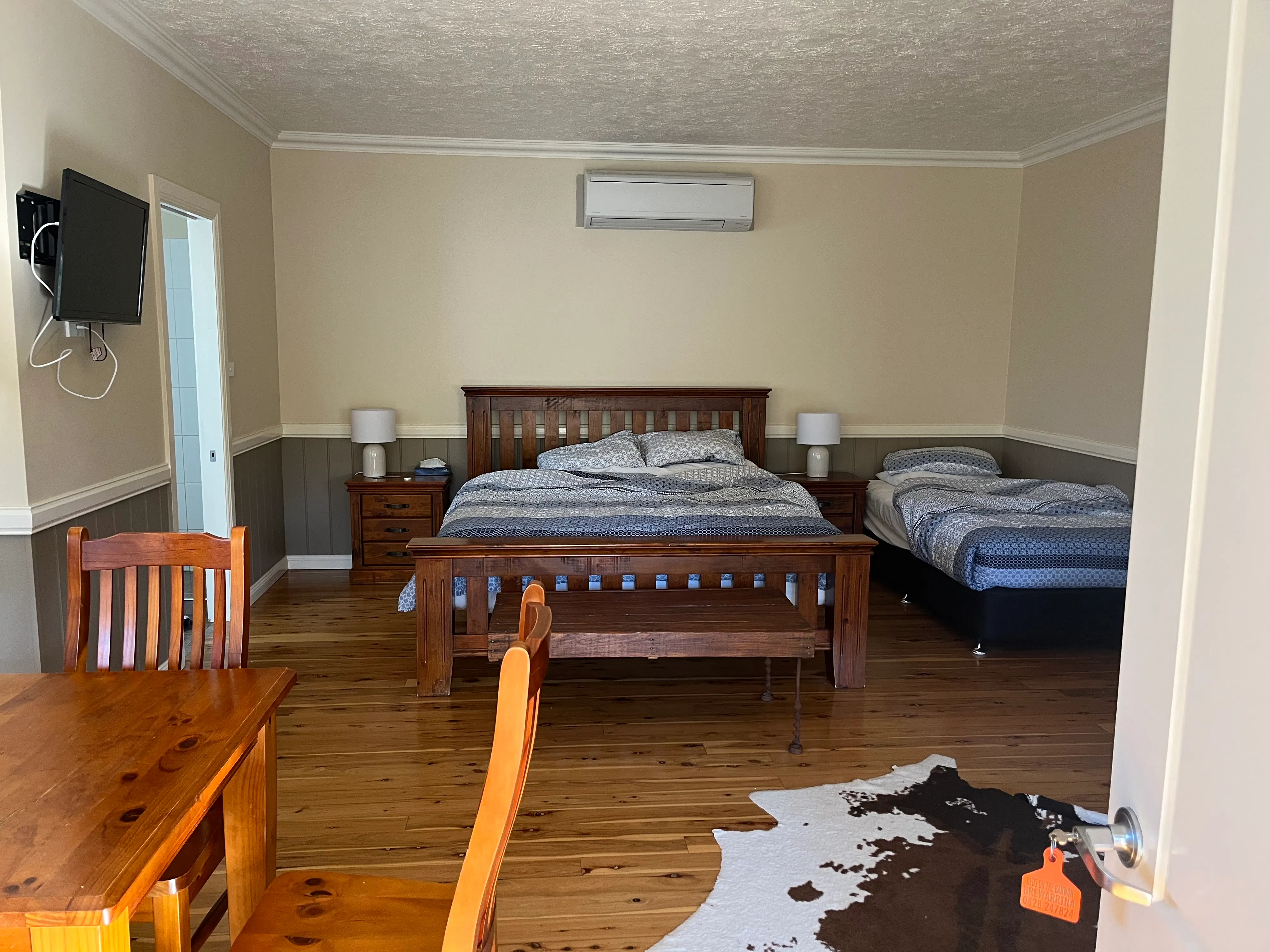
Communal living!
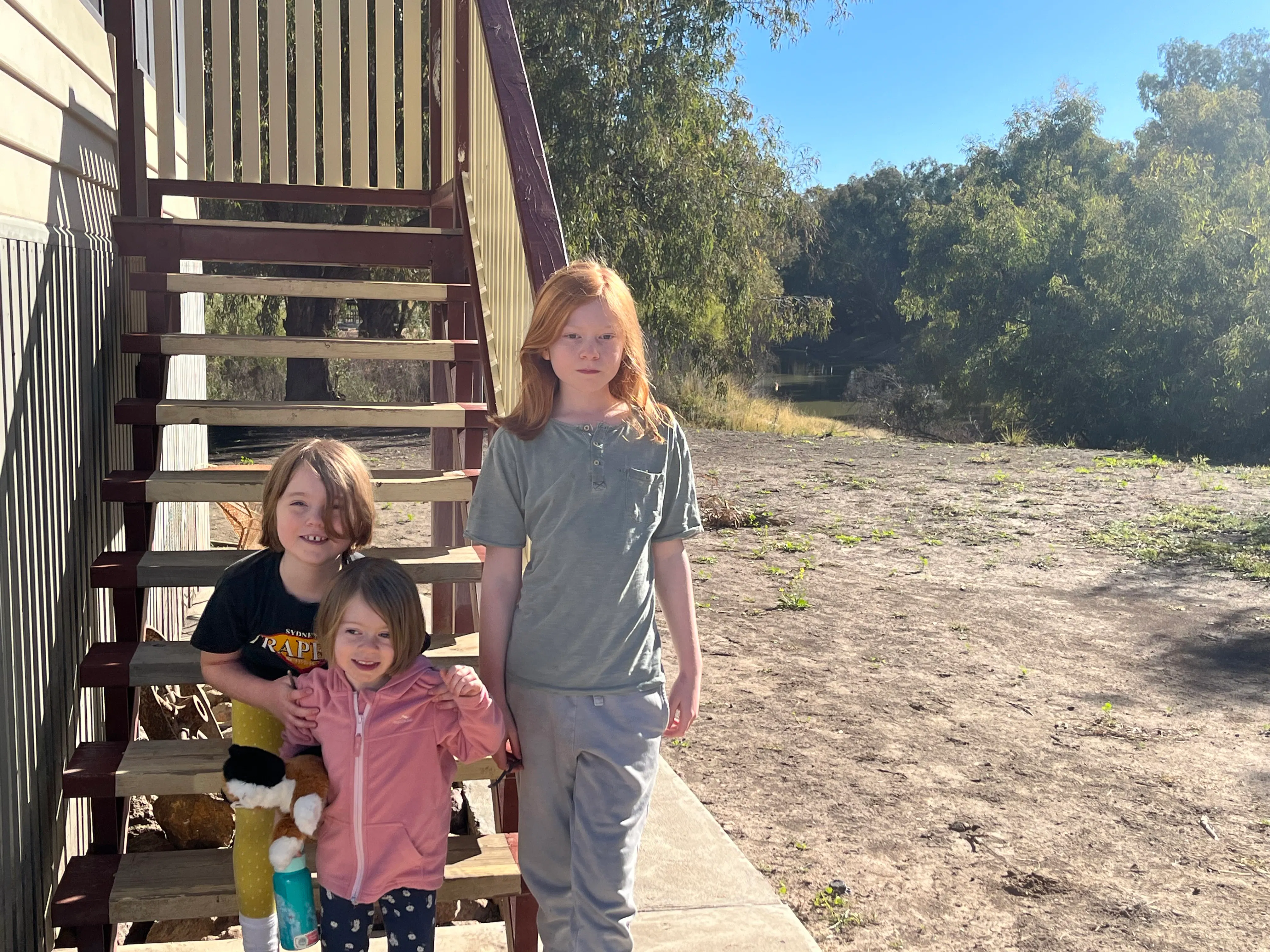
Gorgeous kids on a gorgeous morning
We woke up to yet another glorious blue sky, and I spent a few minute on the front verandah listening to the birds along the river, thinking about how much Dad would have loved to be there with us to experience this part of the country ❤.
We headed into town and dropped into the Brewarrina Aboriginal Cultural Museum to join a tour of the ancient fish traps. Brad gave us an amazing overview of the history of the area and the importance of the river in bringing communities together. The river was the meeting place of 8 countries of people with 8 different languages, who worked together to build and use the traps over the countless thousands of years. As Brad said, the archaeologists say the traps are anywhere between 20,000 and 150,000 years old, which make them one of the oldest man-made structures in the world. But Aboriginal people don't have the competitive language of 'oldest', they just know that the traps have been used forever to bring people together for nourishment, for health, for ceremony, for community.
Brad also shared with us some of the terrible history of the area since colonisation, including the massacre of over 400 people at Hospital Creek as well as the establishment of a mission in the 1880's. On the mission Aboriginal people from all 8 local groups, as well as from other saltwater countries down south, were forced to lived together and not allowed to practice culture or speak language and the lightest skinned children were taken to work as domestic help. Parts of the ancient fish traps were blown up to make way for a paddle boat and a weir, and introduced fish species have affected the vegetation in the river and stocks of native fish. But to end on a positive note, Brad also told us about how, depending on the year, the traps were still used by the local community to catch fish, just as their ancestors did.
At the end of the tour Brad told us how the river had brought us together today, and that we were now a part of the community. Given everything he had told us in a relatively short tour, I was so moved by this generosity and grace, and felt very lucky to have spent the time learning about this ancient living culture, as the sun sparkled on the river.
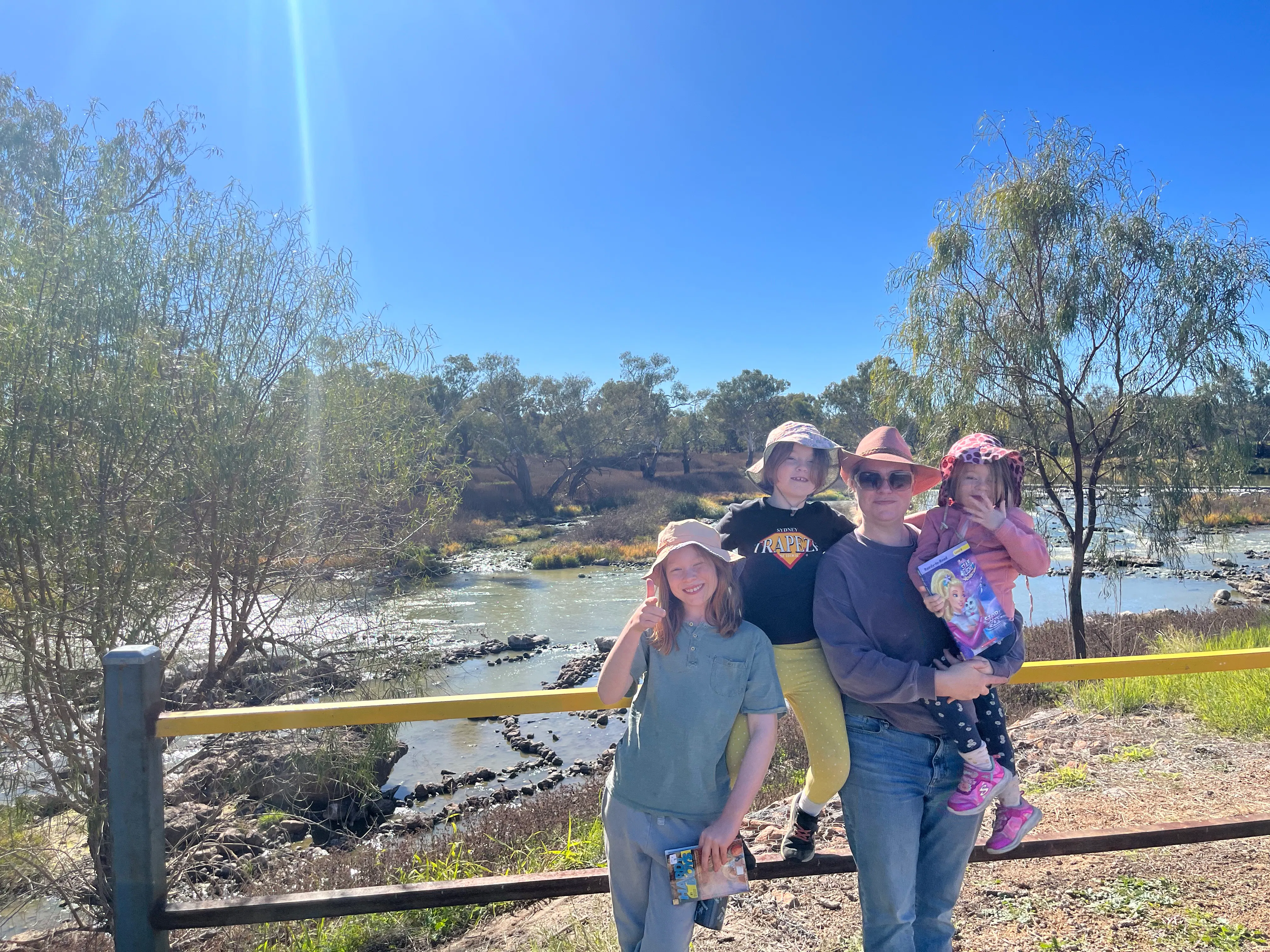
Me and the kids in front of the fish traps.
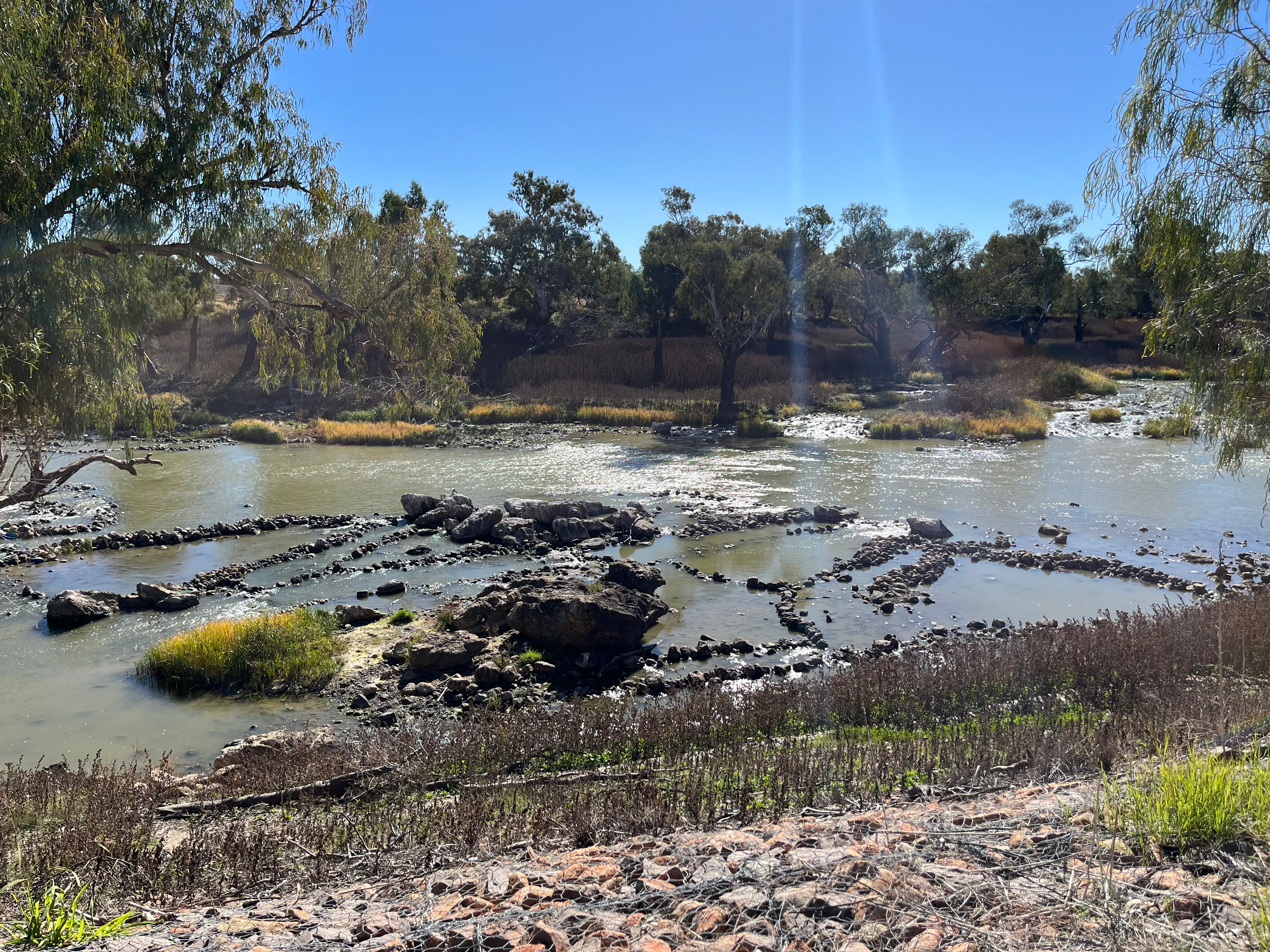
The U shaped traps were designed to catch fish as they swam up stream to spawn, and the thinner storage areas next to them were where the caught fish were kept. In this manner around 30 to 40% of fish swimming through were captured, ensuring the ongoing sustainability of the fish stocks for generations to come.
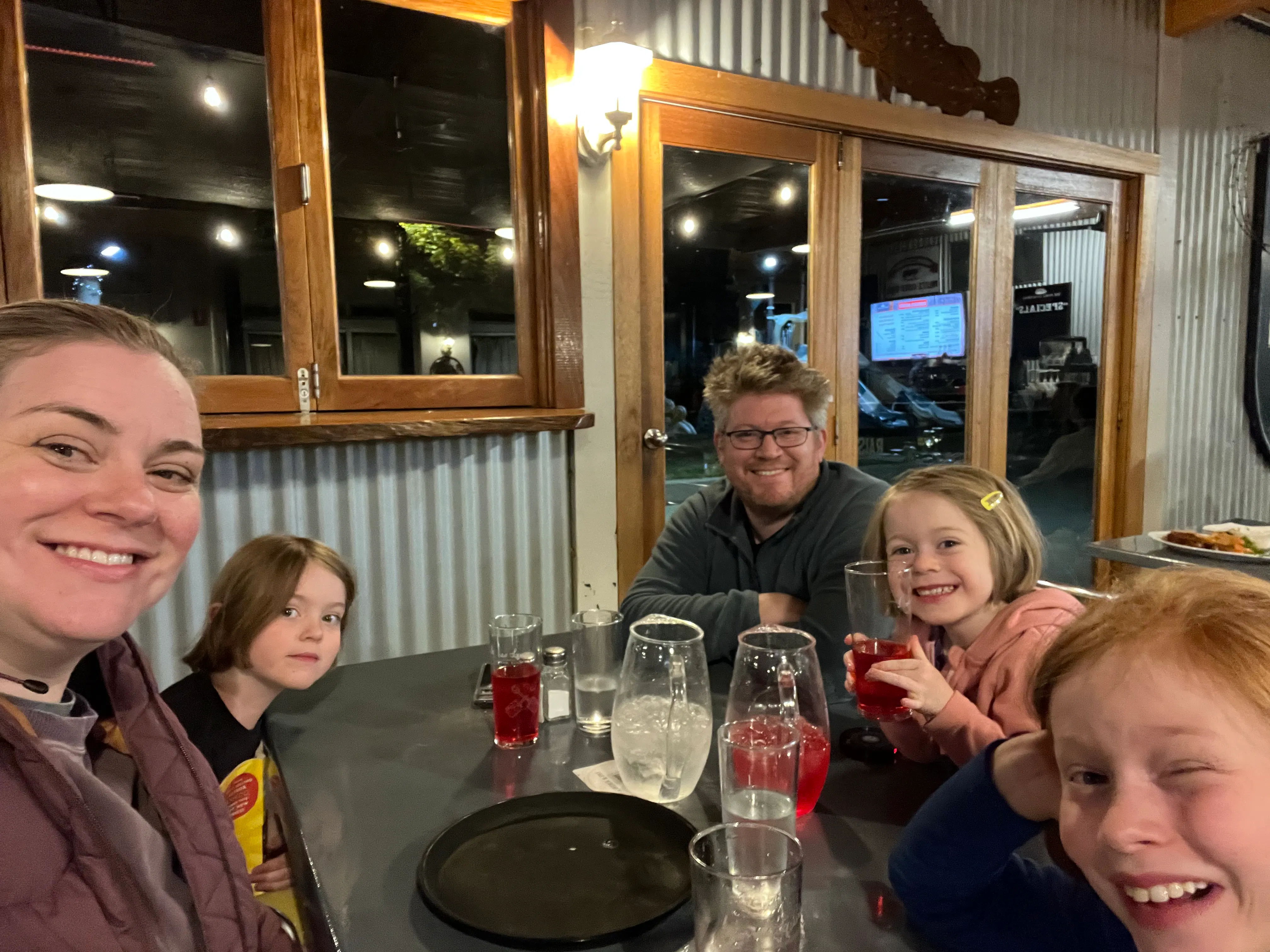
Dinner at the Port of Bourke Hotel.